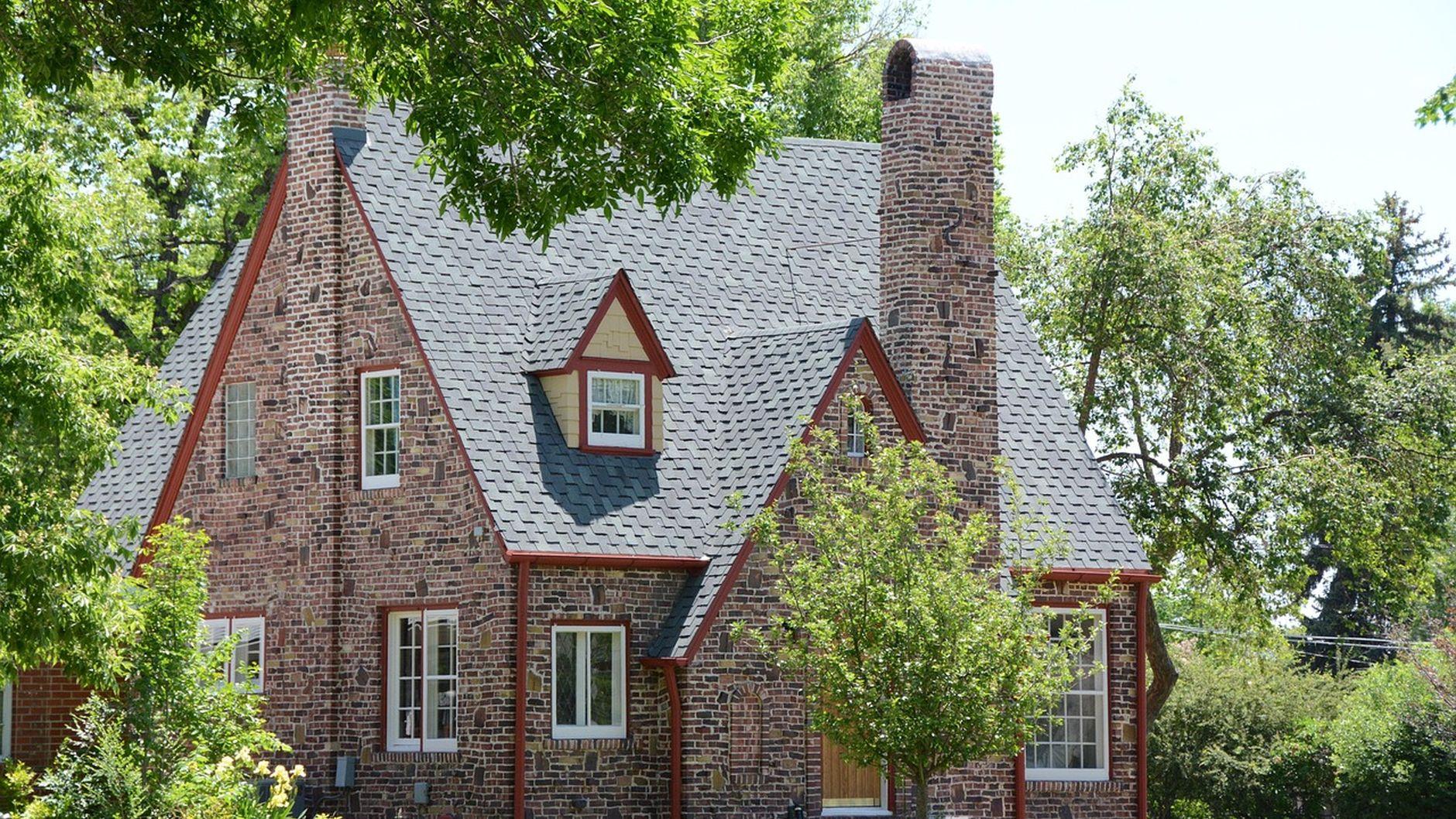
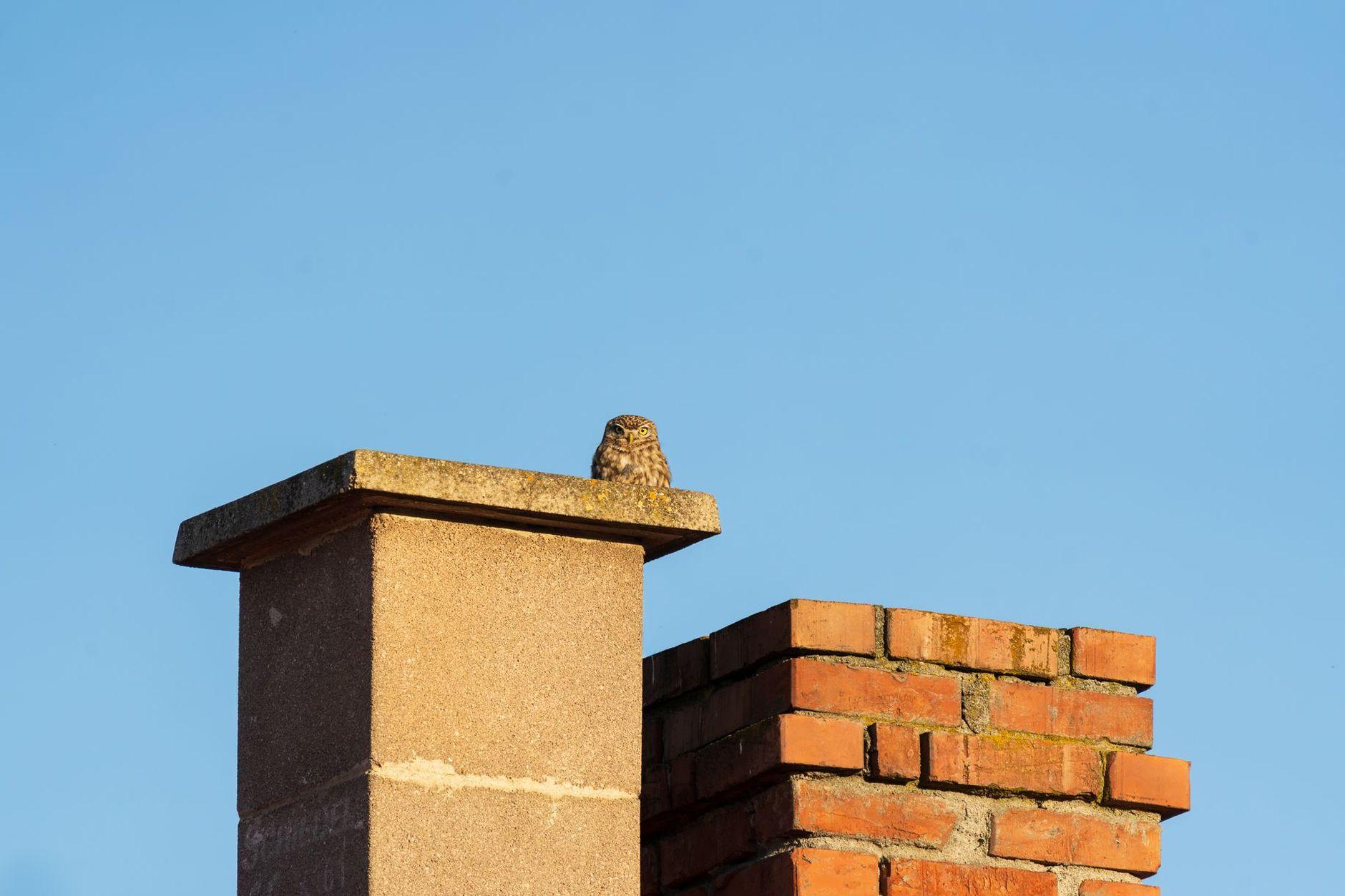
Buying a house with a working fireplace is buying a chimney you have never seen inside. In Torrance, many of the houses on the market went up in the decades after the war, with brick stacks and clay tile flues, and some newer ones have factory-built metal flues inside a framed chase. Either kind can look fine from the living room and from the street. This post is for buyers: what a flue scan shows during your inspection period, when to book it, and how the findings feed into your offer.
The general inspection and the chimney
The home inspector you hire walks the entire house in one visit. They check the fireplace from inside, and often glance at the chimney from the ground or the roof edge. What they will not do is put a camera up the flue. When they see something they cannot judge, such as soot, a crack at the top or a firebox in poor shape, they write a note recommending that a chimney specialist look further.
That note is the reason most buyers call us. It is also a reason to book the flue scan in the same week as the home inspection, instead of waiting for the note.
What a Level 2 covers on a house you are buying
A Level 2 inspection is $385. It includes:
- the firebox, damper and smoke chamber
- a recorded camera run of the inside of the flue, from the damper to the top
- the chimney on the roof: crown, cap, flashing and the brick or chase
- the chimney where it passes through the attic, and its clearance to wood
The national standard for chimneys, NFPA 211, links this level to a sale, and the reason is practical. You do not know how the last owner used the fireplace, and the only way to see the flue is to look inside it.
What we find most often in Torrance houses
Every house is different, but some findings come up often enough to expect:
- Cracked clay tile, usually low in the flue, from years of fires.
- Open mortar joints between tiles, where the mortar has washed out.
- A rusted or stuck damper, often in older houses with no cap.
- No cap, or a cap without a spark screen.
- A cracked crown, letting water into the top of the stack.
- Flashing that has lifted, with signs of water in the attic.
- On factory-built units, a separated flue section or a rusted chase top.
None of these is unusual, and most have clear fixes. What matters for you is which ones are on this house and what they cost to put right.
Turning findings into your offer
Your inspection period is when you can ask the seller to repair, credit or reduce. The flue report gives you something concrete to ask for. Each finding is written with the part, what is wrong, and whether the fireplace can be used before it is fixed. Where this site has a price for the repair, it is in the report:
| Fix | Price on this site |
|---|---|
| Sweep to clear the flue | from $410 |
| Finding and fixing a roofline leak | $550 to $3,300 |
| Cricket behind a wide stack | $440 to $990 |
| Cricket with all new flashing | $660 to $1,650 |
| Gas insert in the existing firebox | $2,750 to $5,500 |
| New cap over the flue | quoted after we measure the flue |
Relining, crown repair, a new damper and a chase cover are measured and given a written figure, which you can take to the seller.
If you are buying in Torrance and the home inspector has flagged the chimney, book the flue scan through the form with the property address and the date your inspection period ends, so we can tell you when we can be there.
Getting in and getting the report
You do not need to be at the house. Most buyers' scans are arranged through the buyer's agent, who sets access with the listing side. We need the fireplace, the attic hatch and a way onto the roof.
The report and the recording go to whoever you name when you book. Buyers usually send them to their agent. Some also send them to their lender or their insurer. We do not share them with the seller unless you ask us to.
Questions buyers ask
The seller already has a chimney report. Do I need my own? You can read theirs, and it may answer your questions. Look at the date, the level, and whether it includes the camera recording. If it is a recent Level 2 with a recording you can watch, it may be enough. If not, a scan booked by you answers to you.
The fireplace is gas only. Does it still need a scan? Gas exhaust still goes up the flue, and a broken or blocked flue affects it too. A gas log set also needs a damper clamp so the damper cannot close fully. We check both.
Can I still use the fireplace before the repairs? The report says so for each finding. A cracked flue means no fires until it is fixed.
What about an older house with two flues in one chimney? Each flue is scanned. Often one serves the fireplace and one served an old furnace or water heater. The report covers both.
What if the scan finds the chimney needs a rebuild? That is rare, but it does happen with chimneys that have moved. You get a written scope you can take to the seller. See Comparing Chimney Rebuild Quotes for what that scope should include.
For sellers reading this
The same scan, booked before you list, lets you see the findings first and decide what to do with them. The home sale inspection page covers both sides of the sale, and agents can see how we work with them on the agent page.
In short
A flue scan during your inspection period turns an unknown chimney into a list of known items, with prices next to many of them. In Torrance, where many houses are old enough to have clay tile, that list is worth having before you sign.
Buyers can reach us through the contact page to set up a scan on the house they are buying.
Want to See Inside Your Own Flue?
Clancy Chimney Experts books flue scans, liner fitting and chimney repair from Torrance. You watch the footage with us, and any work is written up as a quote before it starts.