An insert is a sealed steel firebox that slides into your existing fireplace and turns it into a heater. The box gets the attention in the showroom, but whether it works in your house depends on what happens above it: the vent that carries its exhaust out through the old chimney. This post covers how we size that vent for a gas insert, what the camera has to show before an install, and what moves the price inside the $2,750 to $5,500 range this site lists for the job.
Clancy Chimney Experts installs gas, wood and electric fireplace inserts across Torrance and nearby South Bay cities. Gas is the most common request, so it is the focus here.
Why the old flue cannot just carry the exhaust
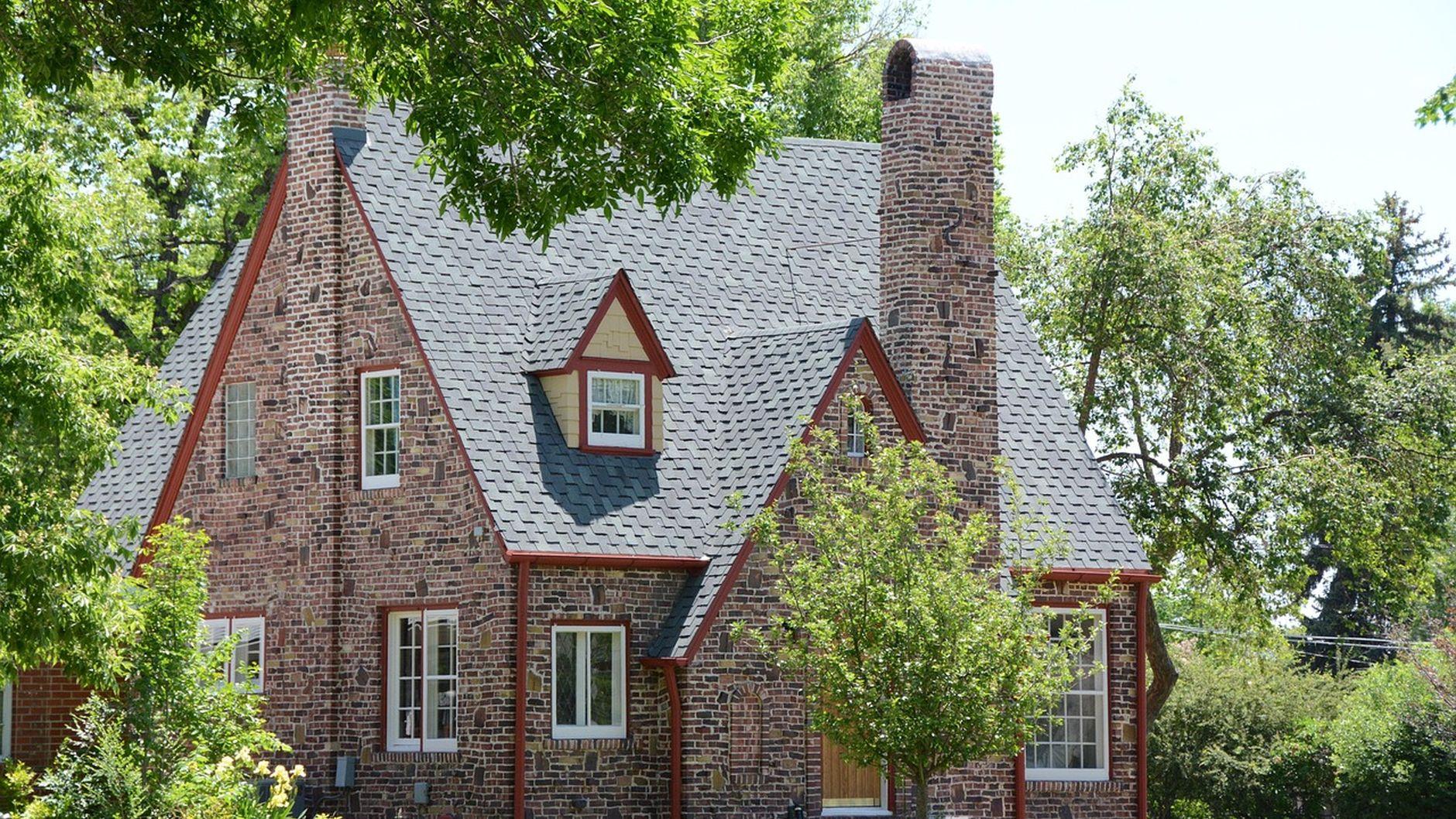
A brick chimney built for an open fire has a large flue, sized to move a lot of smoke from a big opening. A gas insert makes far less exhaust, and its exhaust is cooler and full of water vapor. Send that small, damp flow up a big cold clay flue and it slows down, cools, and condenses on the tile. Over time that moisture eats at the mortar joints, and in a bad case the exhaust does not rise well enough to clear the house.
So a gas insert is vented through its own liner, run from the top of the insert to the top of the chimney. The old clay flue becomes a chase that the liner passes through. The liner is what we size.
The two venting styles
Most gas inserts sold now are direct vent. They take in outdoor air for burning and send exhaust out through the same chimney, using two pipes: one for intake and one for exhaust. Some pass both through a single pipe with an inner and an outer wall. The pipes are small, often three or four inches across.
A smaller group of inserts are vented by natural draft, with one exhaust pipe and room air for combustion. These are less common in new installs.
Either way, the insert maker publishes the pipe size, the shortest and longest runs allowed, and the termination at the top. We follow that sheet to the inch, because the insert's safety listing depends on it.
What the camera checks before an install
Before we quote an insert, we scan the flue. We are looking for three things.
Room for the pipes
The inside of the clay tile has to be large enough for the vent pipes to pass, all the way up. A flue that looks wide from the top may narrow at the smoke chamber or at an offset tile partway up. The camera shows the narrowest point, and that is the number we size to.
A clear path
Broken tile, a seized damper, a nest or a heavy shelf of soot can block the pipe on its way down. Each one has to be cleared first. A stuck damper is common in older houses and often has to be removed to make room.
Sound masonry at the top
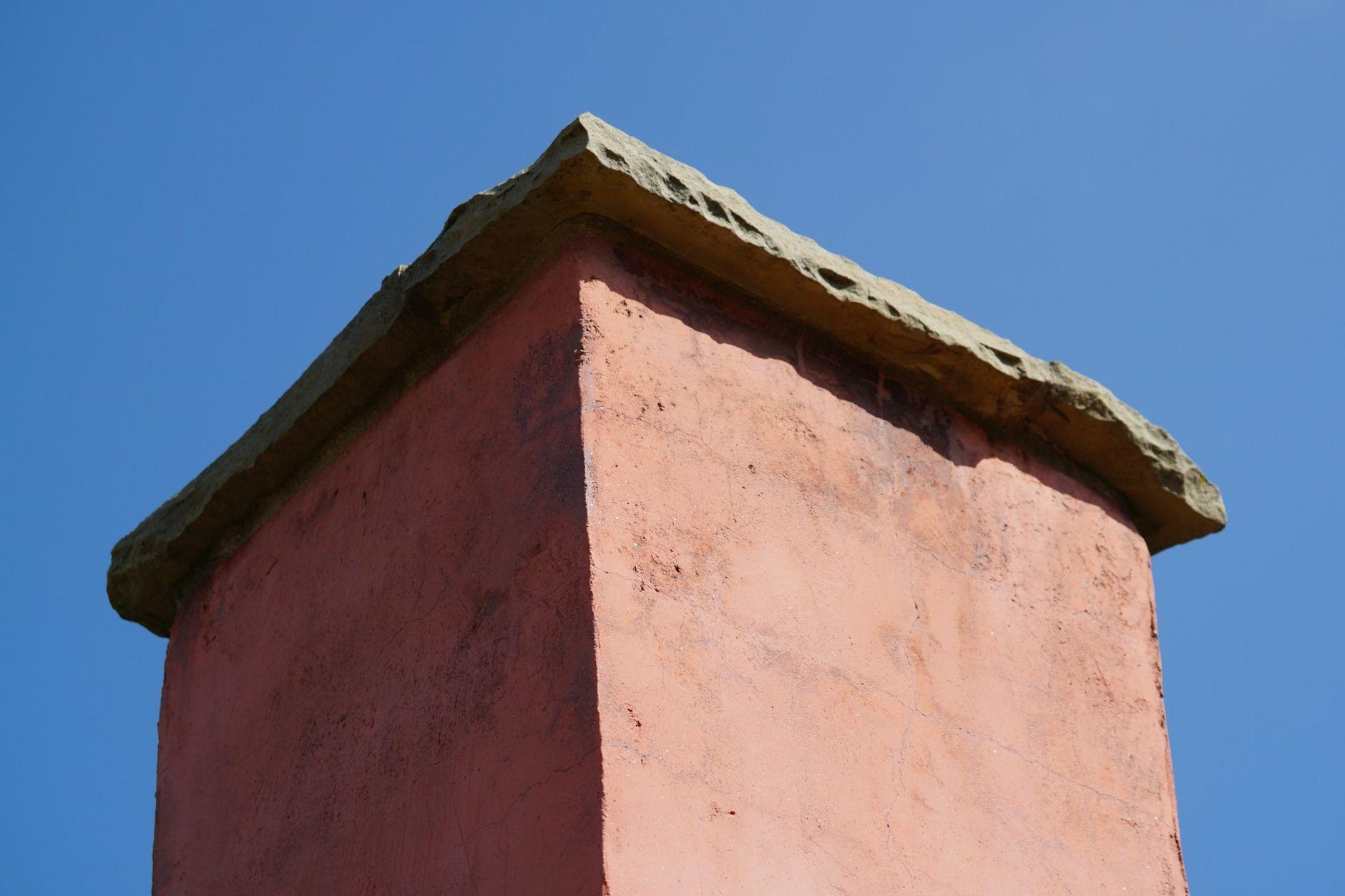
The liner ends at the top of the chimney in a termination cap. That cap sits on the crown or the top tile, so both need to be in decent shape. A cracked crown is better fixed before the install than after.
Sizing the box to the firebox
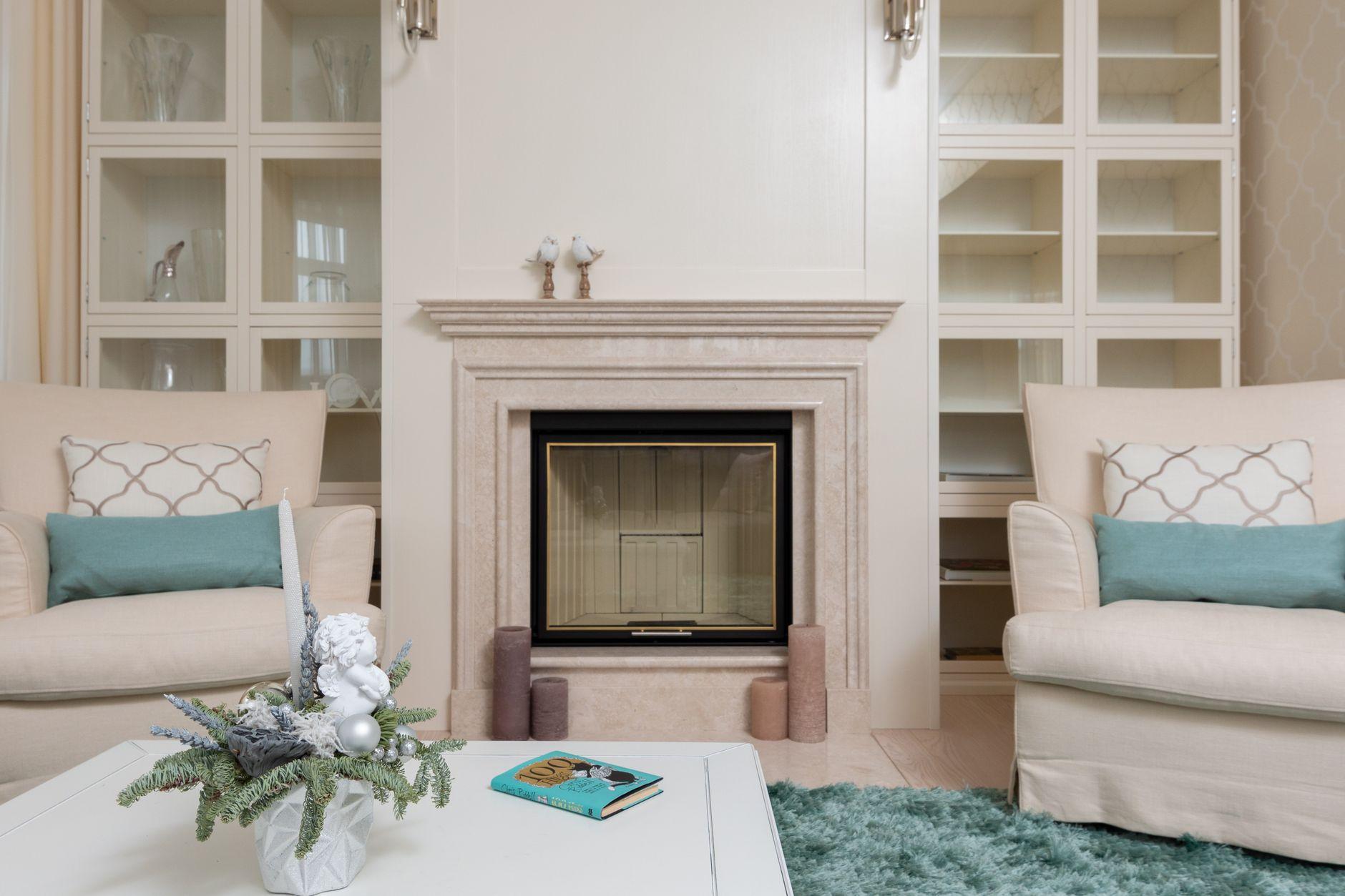
The vent is half the job. The insert also has to fit the opening and the depth of your existing firebox, with the clearances its maker requires to the mantel and trim. We measure the firebox on the first visit and check those measurements against the models that suit your heating needs. A shallow firebox in an older house sometimes limits the choice to a smaller unit. A tall, wide opening may need a larger surround panel to close the gap around the box.
What moves the price within the range
The $2,750 to $5,500 range covers a gas insert installed in a fireplace you already have. Where your job lands depends on:
- The insert itself. Heat output, size, and features such as a fan or a remote all change the cost of the box.
- The vent run. A taller chimney needs more pipe. An offset in the flue may call for flexible pipe instead of rigid.
- Prep in the chimney. Removing a stuck damper, clearing debris, or squaring up the top of the tile so the termination seats properly.
- The gas line. A fireplace that already has a gas key nearby is a short connection. One with no gas supply needs a new line run from the meter, which a plumber prices on its own.
- The surround. A standard panel is part of most units; a custom size or finish adds to the cost.
The camera scan comes before any of this. If you have not had one, the Level 2 inspection is $385 and gives us the inside size of your flue.
Booking the quote
With a recent scan, we can usually work out the vent size and any prep from the recording and confirm the box fit with a short measuring visit. Ask for an insert quote and tell us which insert you are looking at, or what you want it to heat, and whether there is a gas line at the fireplace now.
Wood or electric instead?
The same thinking applies to a wood insert, with bigger stakes. A wood insert runs hotter and makes creosote, so its liner is usually larger, often insulated, and sized to the stove maker's figure. It needs a sound flue just as much.
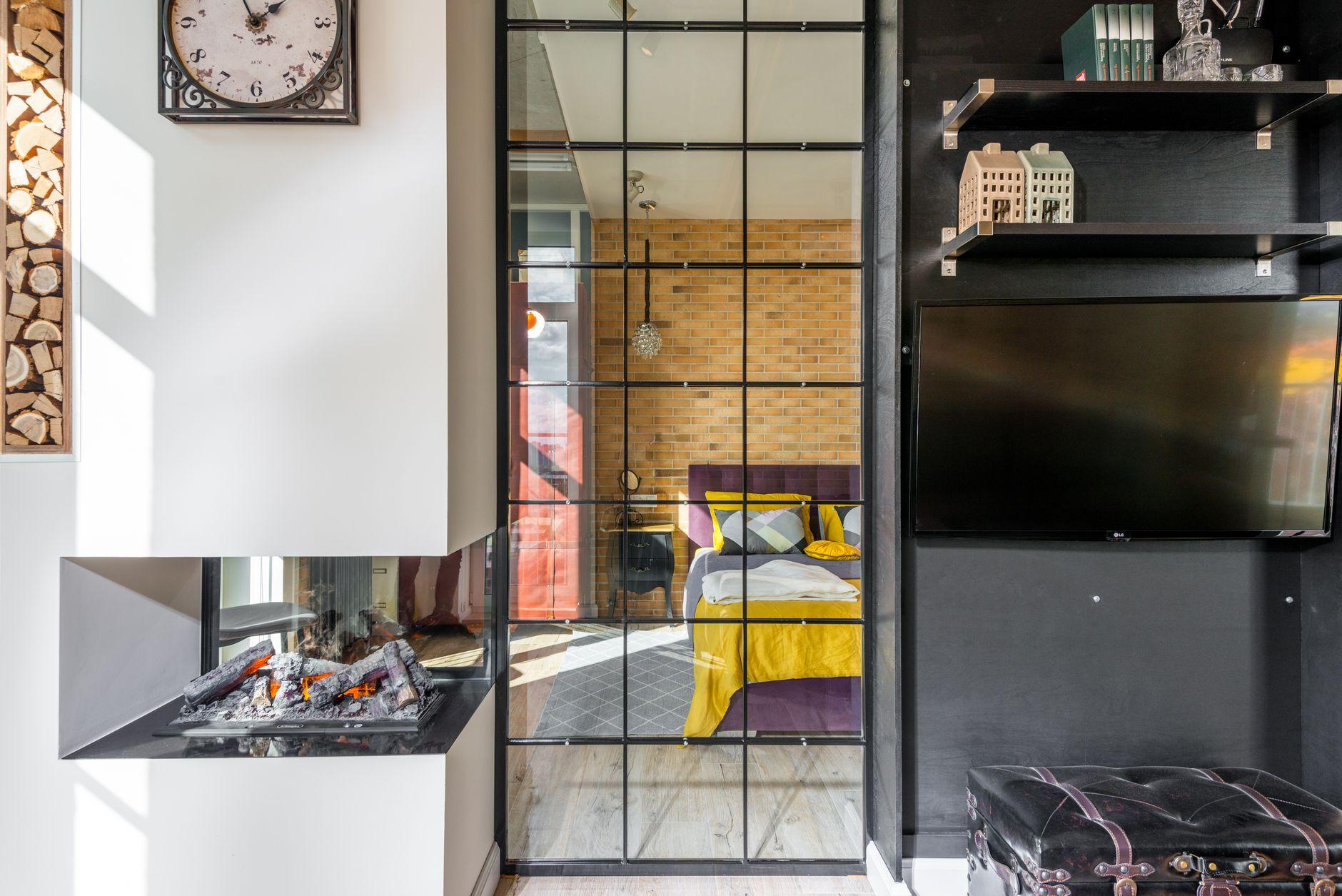
An electric insert needs no vent at all, just a nearby outlet. Owners sometimes choose it when the flue would need relining and they do not want that cost now. We can tell you which path fits your chimney once we have seen it.
Questions we hear about inserts
Can I keep the gas log set and just add glass doors? You can, but a log set with doors still pulls most of its heat up the flue. An insert is sealed and vented, so far more of the heat stays in the room.
Will I lose the look of the fireplace? The brick face and mantel stay. The opening is filled by the insert's glass front and its surround panel.
Does the old chimney need a cap after the install? The termination at the top of the liner does that job. It replaces the old cap, and its price is part of the install.
What if the scan finds cracked tile? That is often the reason people choose an insert. The insert's own liner carries the exhaust, so cracked clay around it no longer handles the fire. We note anything else the cracking means for the masonry.
For owners comparing an insert with relining for an open fire, Chimney Liner Pricing in Torrance breaks down the liner side.
To start sizing an insert for your Torrance fireplace, reach us on the contact page and tell us what heats the room today.
Want to See Inside Your Own Flue?
Clancy Chimney Experts books flue scans, liner fitting and chimney repair from Torrance. You watch the footage with us, and any work is written up as a quote before it starts.